Understanding Boat Insurance: Actual Cash Value vs. Agreed Value, Salvage Rights, and Marina Hold Harmless Agreements
Apr 29, 2025
Jointly written by MD Marine Insurance, Orbit, Gallagher Skippers’ Plan and Aviva
Boat ownership brings a lot of joy—but also a unique set of insurance considerations. Whether you’re a seasoned boater or new to the lifestyle, understanding how your insurance policy works can make all the difference when it comes time to file a claim. Three common but often misunderstood areas in marine insurance are the difference between Actual Cash Value (ACV) and Agreed Value, salvage rights in the event of a total loss, and hold harmless agreements required by marinas.
Actual Cash Value (ACV) vs. Agreed Value
When insuring your boat, one of the biggest coverage differences is whether it is insured on an Actual Cash Value or an Agreed Value basis. Here’s how they differ:
Actual Cash Value (ACV):
This is similar to car insurance. If you suffer a loss, your insurer will pay out based on the boat’s depreciated value at the time of the loss. Age, condition, and market demand are all considered. In other words, you’ll get what the boat was worth right before the loss—not what you paid for it, and not what it would cost to replace.
Pros:
• Lower premiums
• Easier to obtain
Cons:
• Lower and/or more unpredictable payout after a loss due to depreciation
Agreed Value:
This is a pre-determined amount agreed upon by you and the insurer at the start of the policy. In the event of a total loss, that’s the amount you receive—regardless of depreciation.
Pros:
• Predictable payout in case of a total loss
• Often available for newer or high-value boats
Cons:
• Higher premiums
However, not all boats qualify for Agreed Value coverage. In fact, most insurers will only offer Actual Cash Value policies for boats older than 25 years. This is due to the difficulty in establishing a fixed value for aging vessels, which can vary widely in condition and market appeal. If you own an older boat and want Agreed Value coverage, you may need a professional survey and may still be limited in insurer options.
Who Has the Right of Salvage in a Total Loss?
In the event of a total loss—say, your boat is damaged beyond repair—the insurer typically pays out the claim and assumes ownership of the wreck, including the right of salvage.
For example, imagine your boat is stored indoors at a marina over the winter. A severe snowstorm causes the building’s roof to collapse, crushing your boat. The insurer determines it’s a total loss and pays out your claim. In return, they now own what’s left of the boat, including any components that may still have value—like the engine, electronics, or salvageable hardware.
This gives the insurer the right to:
• Recover and remove the wreck
• Sell any usable components
• Offset some of their financial loss through salvage value
That said, some policies allow you the option to retain the salvage—meaning you keep what’s left of the boat. If you choose this, the estimated salvage value will be deducted from your total settlement. For example, if the total claim is $50,000 but the salvage is worth $5,000, your payout would be $45,000. Similarly, if you later sell any part of the salvage, your insurer may seek reimbursement for that amount—unless otherwise agreed upon in writing.
Always review your policy’s “Salvage Rights” or “Abandonment Clause” so you know your rights and obligations before a claim happens.
What is a Hold Harmless Agreement at Marinas?
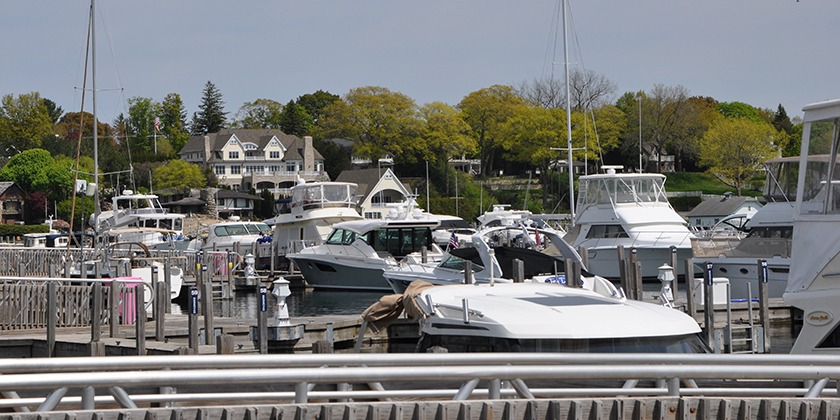
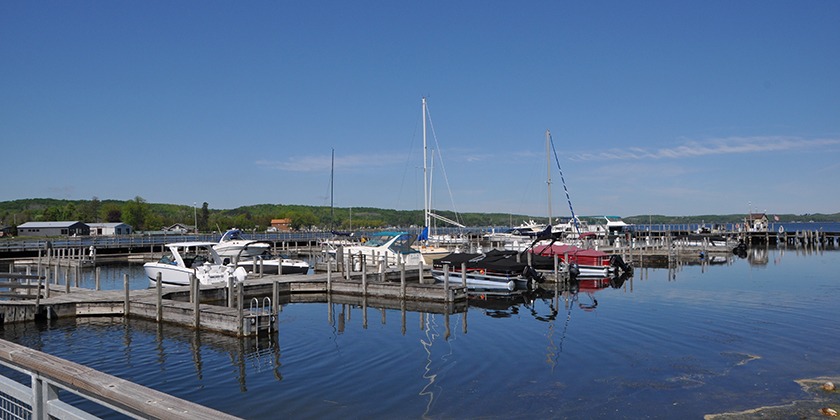
When you store your boat at a marina, you’ll almost always be asked to sign a hold harmless agreement. This legal document is designed to limit the marina’s liability for any damage that may occur to your boat while it’s on their premises.
By signing, you agree that you won’t hold the marina responsible for:
• Damage caused by weather
• Theft
• Fire
• Accidents caused by other boaters or third parties
In essence, it shifts the responsibility for insuring your boat squarely onto you. That’s why maintaining proper insurance coverage is essential, especially during storage. Some marinas may also require proof of insurance and request to be listed as an additional insured on your policy.
Final Thoughts
Boat insurance isn’t one-size-fits-all, and understanding the fine print—especially when it comes to Actual Cash Value vs. Agreed Value, salvage rights, and marina liability—is key to avoiding surprises when things go wrong. A knowledgeable insurance broker can help you navigate these waters and build a policy that truly protects your investment—on and off the water.