Kids and Boating, Play Safe and Stay Safe
August 4, 2026
By John Gullick
Boating together with the kids as a family can be a most enjoyable activity. Because people, especially kids, have unique personalities it is important to take the suggestions that I am going to make and adapt them to meet your needs.
Every trip, whether it is a day trip or even an overnight trip, will consist of three primary areas of activity and it is important to involve the kids in all activities. Let’s start with the most important.
Planning and Preparation
Kids can be very involved in planning. They can suggest places that they would like to go and things they would like to do when they get there. Before leaving, they can help make sure that you have all the safety gear on board and that it is in good repair.
Give children responsibilities and use the trip as a learning experience to improve their boating skills.
- Kids can go through the Transport Canada Boating Safety Guide, available on-line and dowloadable, to check the list of safety equipment required for your boat and when you get to the boat, they should know where everything is located and how to use it.
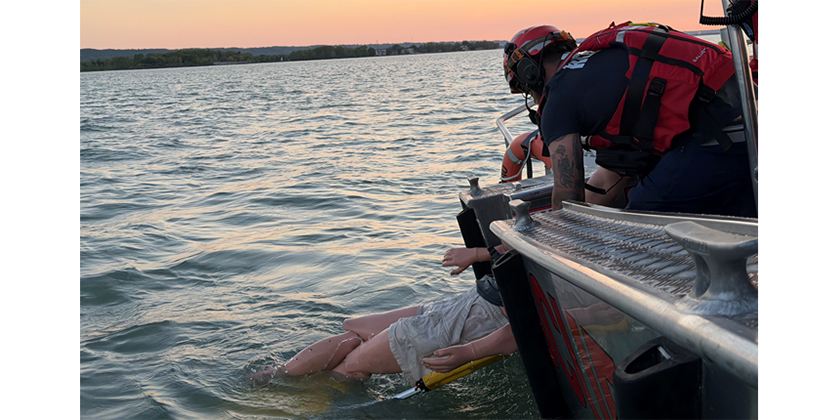
- Lifejackets and Personal Flotation Devices (PFDs) are the most important safety equipment items. They only work if people are wearing them, so I strongly suggest that they are worn at all times. They must be in good condition, they must be the proper size to fit each person and they must be approved for use in Canada. At the beginning of each season, everyone should check their PFD and try it in the water. First put them on and then enter the water to chest depth and slowly raise your legs. If they don’tfit snugly and ride up, readjust or get a better size. If they are ripped or worn get a new one. PFDs are very difficult to put on once you are in the water. If you want to see for yourself, try it in a controlled safe situation. You will soon see why they are best worn all the times in open boats while underway.
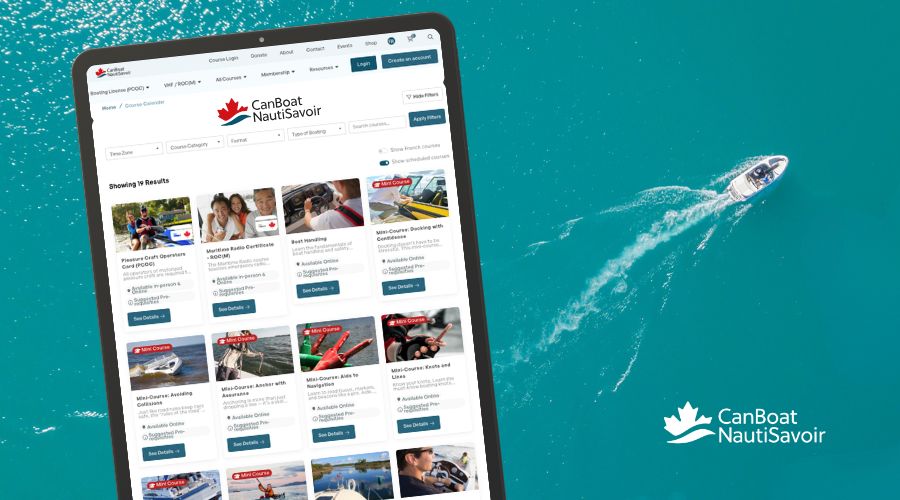
- If kids are going to operate any powered boat, even under adult supervision, they must be able to prove operator competency. Usually this means having a Pleasure Craft Operator Card. Taking a course and getting your PCO Cards is another great family activity in the off season.
- Check the first aid kit and remember the sunscreen, hats, sun glasses and foul weather gear. Don’t forget required medications.
- Make sure you have enough food, healthy snacks and lots to drink so you can all stay hydrated on hot sunny days.
- Check weather reports and consider postponing the trip if bad weather is expected. During the trip keep a watchful eye on the weather and head for shore if the weather deteriorates.
- Make sure there is enough gas to get there and back. 1/3rd out, 1/3rd back and 1/3rd in reserve.
- Have the kids bring along a few personal items including some simple games that they can play.
- File a trip plan. It is recommended that you file a Trip Plan before every trip no matter how long or short it is. A trip Plan, sometimes called a Float Plan or Sail Plan, is a brief description of your trip, the proposed route, destinations and timing. It should include a description of the vessel and identify all the people on board, contact information and the date and time of the expected return. Give a copy of the Trip Plan to a responsible person and instruct them to contact the police and/or your regional Rescue Coordination Centre if you fail to return at the expected time. For contact information go to the Transport Canada Boating Safety web site www.boatingsafety.gc.ca or call 1 800 267 6687. If you are going on a longer trip, call in with a daily position report and report any changes to the planned route and timing. To avoid an unnecessary and costly search for you, make sure that you report your return and completion of the trip and “Close” the Trip Plan. Forgetting to do this can result in lost time and valuable resources for Search and Rescue personnel.
The Trip
During the trip, involve the kids in reading the charts and looking for aids to navigation, marker buoys and things on shore that will help identify where you are. Look for church steeples, water towers and familiar natural points of interest. Teach them how to read a compass. Kids have very keen eyes that can not only spot things of interest but possible dangers as well.
Post Trip Follow Up
When the trip is over, “circle” the vessel and clean up. Note any necessary repairs and replacements that are required and set up a schedule to carry them out so that you are ready for the next trip and have not left any needed activity until the last minute when you might not be able to accomplish it in time. Check for any wear and tear, check for leaks, replace or service any safety items that you have used and try to leave the vessel in the same condition it was in before you left. Hopefully everyone on board had a great time and they are already looking forward to your next trip together.
John Gullick is currently CanBoat’s Manager of Government and Special Programs and has been an active recreational marine specialist and writer for over 50 years.
Sign up for the CanBoat newsletter and visit CanBoat.ca to learn more about us.
All articles are free for use to promote boating and water safety. Credit must be provided to CanBoat / NautiSavoir and author John Gullick.