Mercury Marine Introduces Vessel Interface Module

October 13, 2026
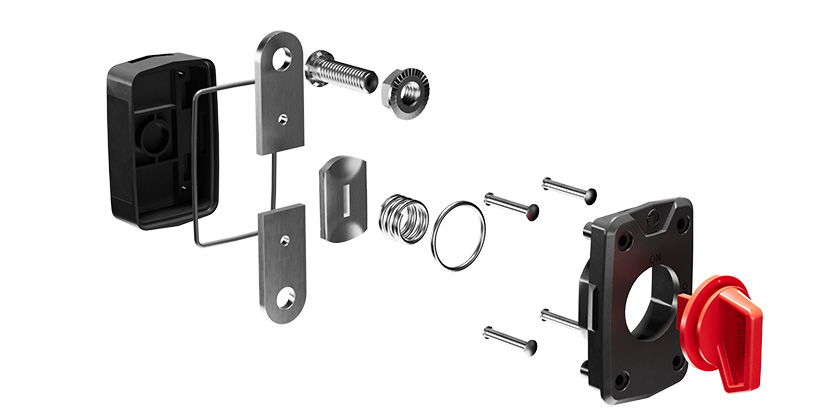
At IBEX 2026, Mercury Marine introduced the new Vessel Interface Module (VIM), a configurable solution that enables Mercury propulsion systems to respond intelligently to conditions elsewhere on the boat.
As vessels become more complex and onboard space becomes increasingly limited, the risk of interference between major systems continues to grow. VIM addresses this challenge by connecting propulsion systems with an onboard logic hub as well as sensors or digital switching technologies, helping prevent potentially damaging interactions before they occur.
“Boat builders are looking for smarter ways to integrate vessel systems while enhancing the ownership experience,” said Will Nicklas, Sr. Category Manager for controls and rigging. “The Vessel Interface Module enables Mercury propulsion systems to become an active participant in vessel protection, helping safeguard onboard equipment while delivering a seamless experience for boaters.”
Using sensors located throughout the vessel, VIM monitors system status and can automatically disable selected propulsion functions when a condition could result in interference or damage. Once the condition is corrected, normal operation resumes automatically. For example, if a swim platform remains deployed, VIM can prevent engine trim until the platform is safely stowed.
Designed with OEM flexibility in mind, VIM enables boat builders to configure the system to inhibit engine cranking, shifting, steering, and/or trim when defined operating conditions are not met. The system supports a wide range of sensors, integrates with leading digital switching platforms, provides audible alerts, and leverages Mercury SmartCraft Connect to deliver clear on-screen notifications. VIM is ideal for applications such as swim platforms, ladders, terraces, trolling motors, windlasses, ski pylons, and more.
The Vessel Interface Module is expected to begin shipping by the end of 2026.