|

SAFETY TIPS FOR PUBLIC AND PRIVATE DOCK OWNERS – ELECTRICAL SAFETY AUTHORITY
Safety Tips


Dec 5, 2017

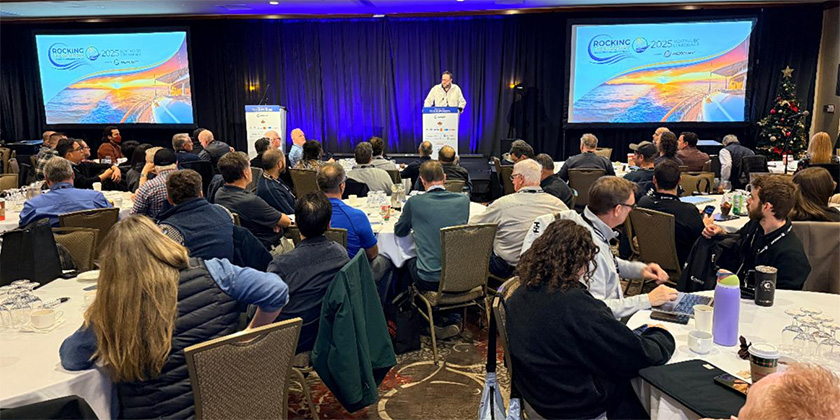
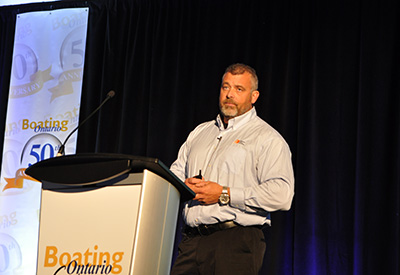
The Boating Ontario Conference held in Collingwood, Ontario November 25 to 27, included a number of very practical sessions geared for marina owners. One was presented by Kevin Richards from the Electrical Safety Authority. The message was that while many summer activities happen on or near the dock, remember: water and electricity are a lethal mix!

Electric shock can happen anywhere electricity is present – on the dock itself and in the water. Electrical installations and equipment on docks should be checked regularly and maintained to ensure they’re safe and comply with Ontario Electrical Safety Code requirements.

Dock owners are responsible for ensuring the electrical installation and equipment around docks and boathouses are maintained and in safe working order.

Three tips to help ensure your dock’s electrical system is safe:

• 1 Now, the Ontario Electrical Safety Code requires Ground Fault Circuit Interrupter (GFCI) protection for receptacles on floating piers or docks and circuits that deliver electricity to cottage boathouses or docks.

• 2 Never use frayed or damaged cords and make sure all marine cords have a ground pin (i.e. three prongs) to prevent electric shock. Learn how to power up safely with extension cords.

• 3 If you suspect an issue with your dock’s electrical system immediately turn off the power at the electrical panel and contact a Licensed Electrical Contractor to check your system. The Electrical Safety Authority website has many valuable resources. There is a finder option to locate a Licensed Electrical Contractor in your area.

There are many useful tips and information sections that you can use. For example, consider placing signage near your dock warning about the potential for electric current in the water. Protect yourself and others. Look to the www.esasafe.com website for information
Related Posts


Good Advice that You Can Share – The Art of Anchoring  

Unless a boat is secured, it will drift away. If it cannot be attached to something secure, such as a dock, piling, mooring buoy, tree, or boulder, it must be anchored. There is much more to anchoring than simply tossing the anchor over the side. 
 
An anchoring system has two parts: the anchor itself and the rode which connects the anchor to the boat. To be effective, an anchor must have good holding power, and the rode must be strong enough to withstand the strains that are put on it. 

Read More


Need to Catch up on News This Week?

Every Tuesday we publish a fresh Digest with informative articles pertaining to the Canadian boating and marine industry. Stay up to date with the latest products, research and industry developments.

Missed an Issue of Boating Industry Canada News Week? If you’re looking for a specific issue, or simply want to catch up on previous issues, check out our Boating Industry Canada News Week Archives.

Not signed up for News Week? Subscribe here.


Rayglass 2400 makes its Australian debut at the 2026 Sydney Boat Show

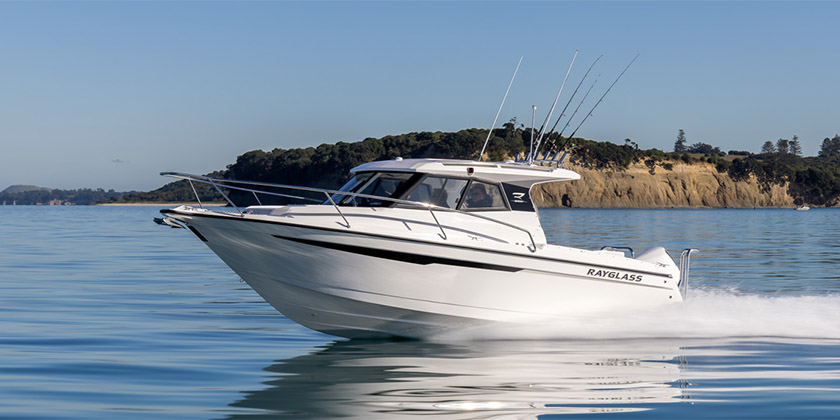
Rayglass Boats, a Brunswick Corporation (NYSE: BC) brand and a globally recognized designer and manufacturer of premium power boats, today announced that Australian boaters will get their first chance to see the Rayglass 2400 it in person for the first time. Queensland Marine Centre will bring the 2400 to the 2026 Sydney Boat Show, running 30 July – 2 August at Sydney Showgrounds, Sydney Olympic Park at Stand D104. The next generation 2700 will also be on display.

Read More


ePropulsion Enters Powered Kayak Fishing Market with Innovative kLite Electric Outboard

ePropulsion Americas, the global leader in marine electric propulsion systems and services, has announced that it is entering the powered kayak market with the all-new kLite 750 electric outboard. Building on the award-winning technology that shattered convention with the highly portable eLite, the kLite 750 is powerful, but contained in a lightweight and compact form factor ideal for recreational or fishing kayaks alike.

Read More