Admirable environmental progress
Mar 5, 2024
If my friends are any example of a group who cares deeply about the marine environment, (and they certainly are) it seems to me that we should be more vocal about our progress in the boat business and our stewardship of the environment.
In their latest Member Newsletter, NMMA Canada laid out an impressive agenda of activities including organizing a new Day on the Hill lobby session in Ottawa. Executive Director Marie-France MacKinnon shared their agenda of issues that we will be bringing to the Government. In that, she writes that our industry is committed to reducing Green House Gas emissions and that since 2000, we have reduced engine emissions by 75% to 95% and improved fuel efficiency by 40%.
Do our customers realize that?
I think that boaters care more about the environment than almost any other group. We want to go boating, but we are willing to make sacrifices and spend our money to do the right thing.
The National Marine Manufacturers Association (NMMA) in partnership with the International Council of Marine Industry Associations (ICOMIA) have announced the foundation-setting findings from ICOMIA’s Pathways to Propulsion Decarbonization Report and the launch of a new global campaign, Propelling Our Future. This is focused on a portfolio of technologies best positioned to facilitate decarbonization in the marine industry. This is the first-of-its-kind independent and peer-reviewed research fielded by a leading global engineering consulting firm, Ricardo PLC. This resulted in the most comprehensive lifestyle assessment ever conducted on vessel usage and emissions reduction.
Global alignment and industry education is an important thrust and the NMMA has led proactive educational efforts at the U.S. Department of Energy, Environmental Protection Agency (EPA) and California Air Resources Board (CARB) on the research findings. These are a few highlights from the Executive Summary.
First, the marine industry is a small contributor to greenhouse gas [GHG] emissions relative to other sectors. Marine accounts for only 0.4% and 0.7% of carbon dioxide [CO2] emissions emitted by the transportation sector in the EU and the USA respectively.
The study compared the suitability of five different propulsion technologies; the baseline of fossil fuel internal combustion engine (ICE) [gasoline and diesel], hybrid electric, hydrogen (ICE) or fuel cell, current ICE engine with drop-in sustainable marine fuels including hydrogenated vegetable oil (HVO) and E-gasoline and lastly, battery electric.
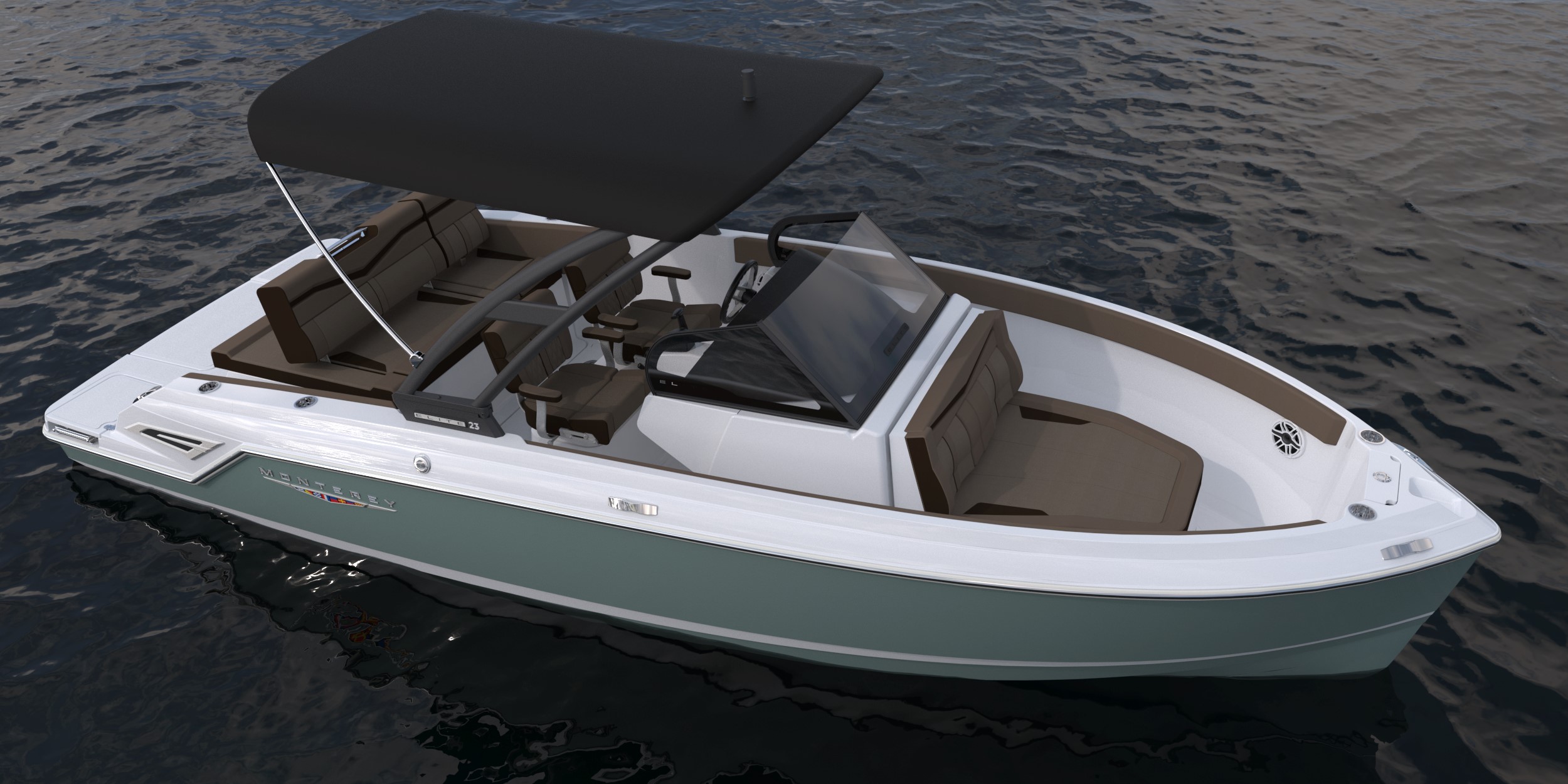
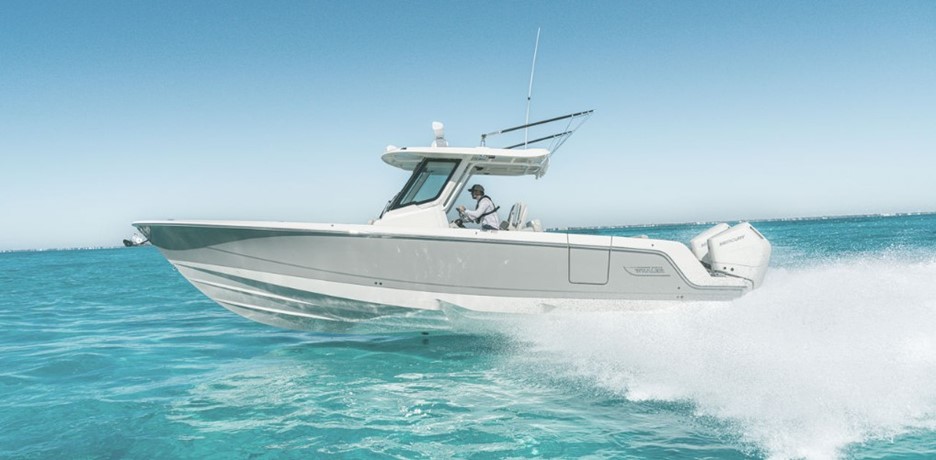
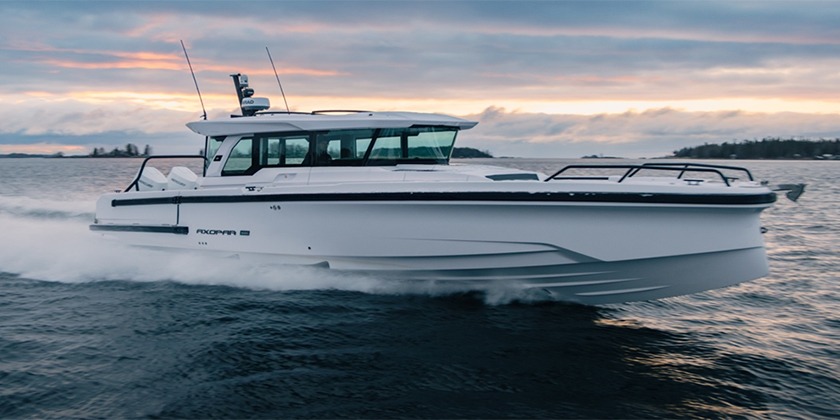
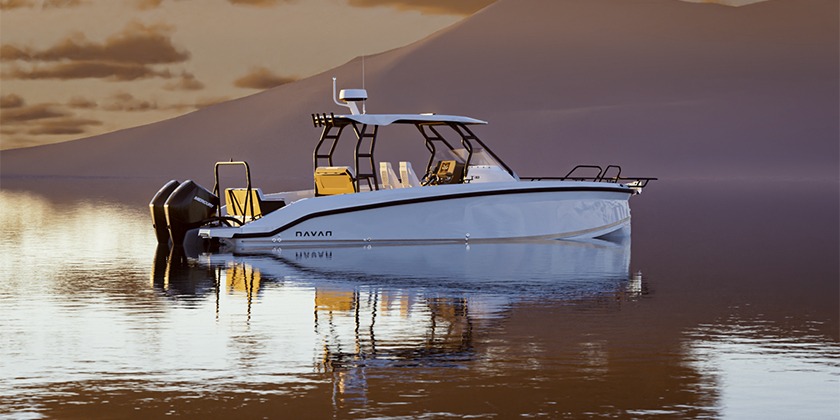
Craft selected for the study included; inflatable boat, fishing boat, runabout / day cruiser, pontoon boat, personal watercraft, displacement motorboat, inland waterway vessel, high performance motor yacht, and sailing yacht.
While the vessels vary widely in design and in use, the most practical solution to achieve GHG reductions was to use E-gasoline or HVO in existing engines. These fuels will cost more at the pump, but synthetic e-fuels are manufactured using captured carbon dioxide or carbon monoxide together with hydrogen split by wind, solar or nuclear power.
Using existing engines has a direct GHG saving in manufacturing and transportation. Typically, marine engines last for many years because they get comparatively few operating hours each year.
Actually, we are a very green industry already and Canada is a hot bed of development for marine electrification with the all-electric Taiga PWCs, the Vision Marine Technologies and others like the Acel outboard motors covered in this edition of Boating Industry Canada.
In the coming weeks, we plan to share more about ICOMIA’s Pathways to Propulsion Decarbonization Report and how our industry is forging ahead on environmental issues. And remember, many of us are sailors, traveling the world on wind power! You can’t get much more “green” than that!
Andy Adams – Editor