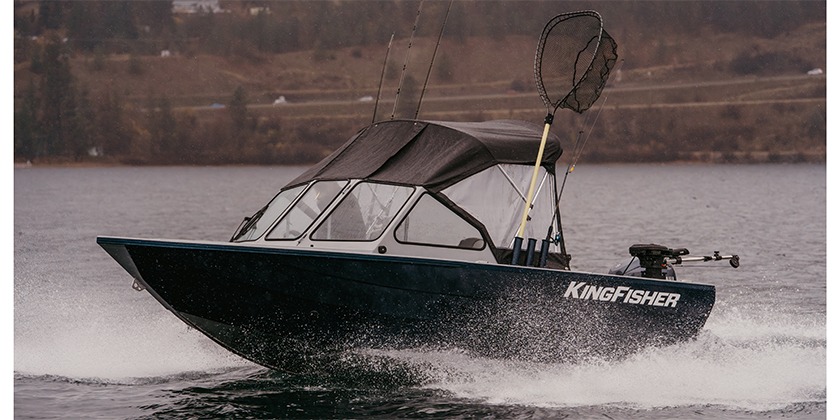
How are we preparing for the arrival of electric boats?
March 22, 2022
World leaders met in early November at the 2021 United Nations Climate Change Conference, also known as COP26, in Glasgow, Scotland to review the progress that has been made since the 2015 Paris Climate Accord and to negotiate new, more ambitious goals for the future. Six major automakers—including Ford, General Motors, and Mercedes-Benz—and 30 national governments signed a pledge to stop sales of new gas and diesel vehicles by 2040 globally, and by 2035 in “leading markets.”
Climate change is certainly top-of-mind these days. As much as the marine industry is of major importance to the readers of Boating Industry Canada’s News Week Digest, the volumes in the car business simply dwarf what we do in marine. For much of my career, boats, especially larger pleasure craft have relied on converted car engines for power. (READ MORE)
The recent rise of the new four-stroke outboards has largely replaced the need for big block V8 stern drives and inboards, but for many reasons, the outboards are more expensive and they still burn gasoline. So far, the outboards have not been required to meet the clean air requirements that autos and many inboard engines do, but you have to think that situation will change.
When it does, the engineering challenges of adding a catalytic converter or other clean air systems may be difficult, or prohibitively expensive on outboards. For some boaters, the range and performance issues we are likely to see for electric marine power may make those choices impractical or unrealistic. I can’t imagine not having the convenience of gasoline or diesel fuel in boats, especially cruising boats, but those options may become more restricted sooner than we think.
Sailors are already laughing at these thoughts. They’ve had the clean air solution for centuries and I do believe we will see a greatly renewed interest in sailing in the coming years. But for those who are dedicated to power boats for any number of reasons, part of the solution will certainly be electric.
The question in my mind then, is how our cottage country power grid will accommodate the rapidly increasing need for overnight re-charging of both the boats and cars. The transition to a greener future will come with a hefty price tag I think.
Andy Adams – Editor