YACHT CONTROLLER ANNOUNCES CONNECTION TO VOLVO’S NEWEST SYSTEMS 
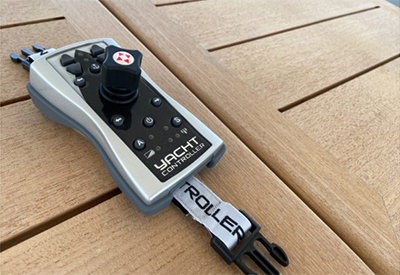
Yacht Controller

Dec 17, 2019

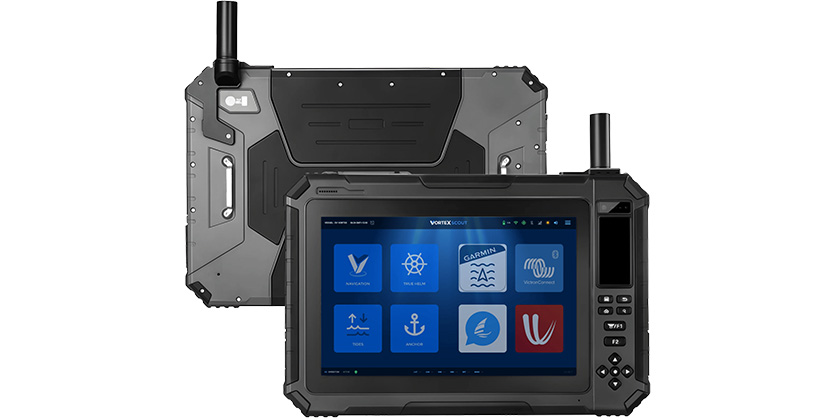
Yacht Controller, manufacturer of the world’s first and number one wireless remote controls for yachts, used by more than 19,000 customers on 260 ​ brands of boats, has announced that it is officially integrated with Volvo. Volvo’s new electronic vessel control EVC-E and EVC-2 gateway works with all compatible devices delivering plug-and-play connectivity with engine and thruster systems. Yacht Controller’s wireless remote-control system allows users to remain in command of their boat’s movement while away from the helm, where visibility is often limited and has been ​a proven technology for more than 16 years. The Yacht Controller system integrates perfectly with Volvo’s complete line of drive-by-wire steering systems such as the Volvo Inboard Performance Systems (IPS), Aquamatic and Inboard systems.

• EVC-2 is designed for the latest drive-by-wire steering systems
• EVC-E ​ ​ connects directly ​via can-bus to the​ Yacht Controller
• It also has a dedicated CAN Bus port for direct connection to steer-by-wire steering systems:

ZF Pod Drives
Volvo† IPS* and Volvo Aquamatic
Teleflex Optimus 360 Systems (Outboard Engines)
Yanmar VC10 and JC10 (Joystick) Control Systems

• A single CAN Bus connection to the EVC-E and EVC-2 eliminates the need for an ACU, further simplifying installation

“Stress Free” docking and a better boating experience have been the hallmark of the Yacht Controller brand since its inception www.YachtController.com and a featured product in the Yacht Group’s www.theYachtGroup.com portfolio of products. These include Yacht Graphx, Yacht Thruster, Yacht Visions (cameras and searchlights) and our latest product CFx Extreme beam by Carlisle and Finch Co.,

www.CFxSearchlights.com the world’s oldest and foremost searchlight companies, and the standard for the U.S. Coast Guard and U.S. navy for more than 110 years.
Related Posts


Good Advice that You Can Share – The Art of Anchoring  

Unless a boat is secured, it will drift away. If it cannot be attached to something secure, such as a dock, piling, mooring buoy, tree, or boulder, it must be anchored. There is much more to anchoring than simply tossing the anchor over the side. 
 
An anchoring system has two parts: the anchor itself and the rode which connects the anchor to the boat. To be effective, an anchor must have good holding power, and the rode must be strong enough to withstand the strains that are put on it. 

Read More


Need to Catch up on News This Week?

Every Tuesday we publish a fresh Digest with informative articles pertaining to the Canadian boating and marine industry. Stay up to date with the latest products, research and industry developments.

Missed an Issue of Boating Industry Canada News Week? If you’re looking for a specific issue, or simply want to catch up on previous issues, check out our Boating Industry Canada News Week Archives.

Not signed up for News Week? Subscribe here.


Rayglass 2400 makes its Australian debut at the 2026 Sydney Boat Show

Rayglass Boats, a Brunswick Corporation (NYSE: BC) brand and a globally recognized designer and manufacturer of premium power boats, today announced that Australian boaters will get their first chance to see the Rayglass 2400 it in person for the first time. Queensland Marine Centre will bring the 2400 to the 2026 Sydney Boat Show, running 30 July – 2 August at Sydney Showgrounds, Sydney Olympic Park at Stand D104. The next generation 2700 will also be on display.

Read More


ePropulsion Enters Powered Kayak Fishing Market with Innovative kLite Electric Outboard

ePropulsion Americas, the global leader in marine electric propulsion systems and services, has announced that it is entering the powered kayak market with the all-new kLite 750 electric outboard. Building on the award-winning technology that shattered convention with the highly portable eLite, the kLite 750 is powerful, but contained in a lightweight and compact form factor ideal for recreational or fishing kayaks alike.

Read More