From Card to Competency: TSB Calls for Stronger Preparedness for Canadian Boaters
July 7, 2026
By Yoan Marier, Chair of the Transportation Safety Board of Canada
Like many Canadians, my boating licence has been sitting in my wallet ever since I obtained it more than 25 years ago. Although I’ve only boated occasionally, it still allows me to operate a high-speed vessel on Canada’s busiest waterways, without any requirement to indicate that my knowledge or skills remain current.
That reality is worth reflecting on.
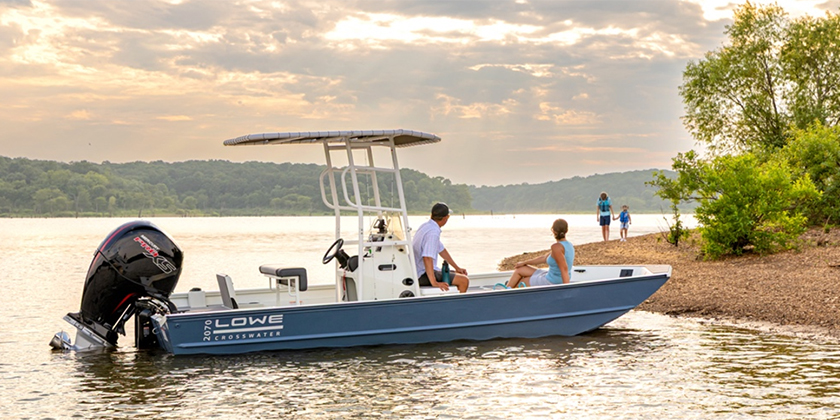
Boating demands constant awareness and sound judgement. Unlike driving, there are no lanes, traffic signals, or clear boundaries. Conditions can shift quickly, visibility may be limited, and vessels of all sizes move in different directions at varying speeds. Safe navigation depends on an operator’s ability to assess risks in real time.
Yet Canada’s requirements for recreational boating competency have remained largely unchanged for years, with significant consequences: between 2012 and 2021, powerboat accidents resulted in an average of 60 fatalities annually.
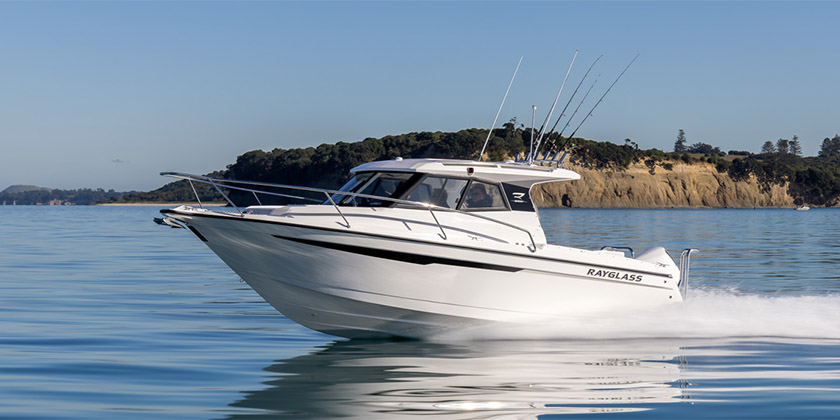
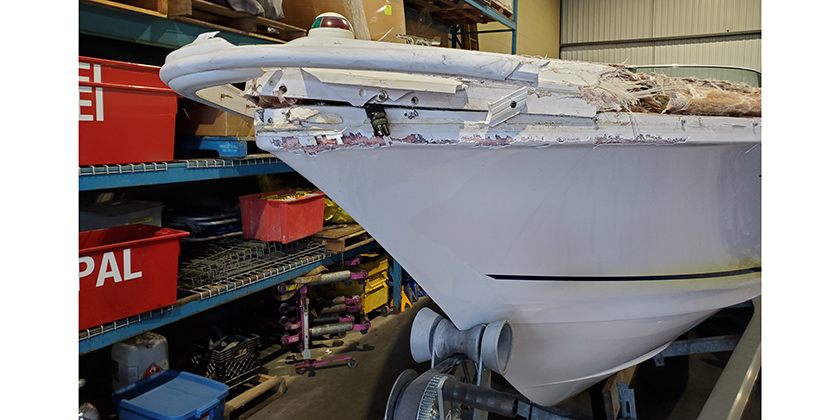
A recent Transportation Safety Board of Canada (TSB) investigation into a collision between a commercially operated river shuttle and a pleasure craft (M24C0142 – https://www.tsb.gc.ca/eng/enquetes-investigations/marine/2024/m24c0142/m24c0142.html) in June 2024 demonstrates why this issue deserves greater attention. The pleasure craft operator had a valid Pleasure Craft Operator Card (PCOC) and more than 20 years of boating experience. Nevertheless, the investigation found that his training and experience had not adequately prepared him to assess and manage the risks in a complex, high-traffic waterway.
We’ve seen similar situations before.
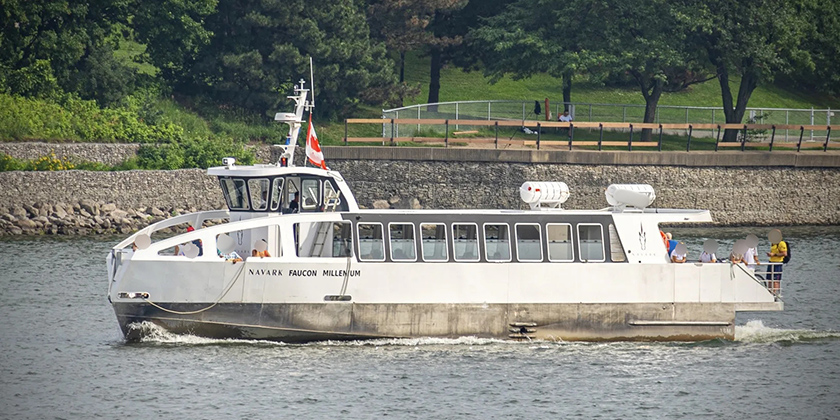
For example, last summer the TSB issued a safety concern on current requirements for training and certificating pleasure craft operators for safe navigation on high-traffic waterways as part of its investigation into a 2023 collision between a ferry and a pleasure craft (M23C0143 – https://www.tsb.gc.ca/eng/enquetes-investigations/marine/2023/m23c0143/m23c0143.html).
Both investigations involved certified operators and highlighted the challenges of navigating alongside commercial vessels, reinforcing that a PCOC alone does not guarantee the actual knowledge needed for more complex waterways.
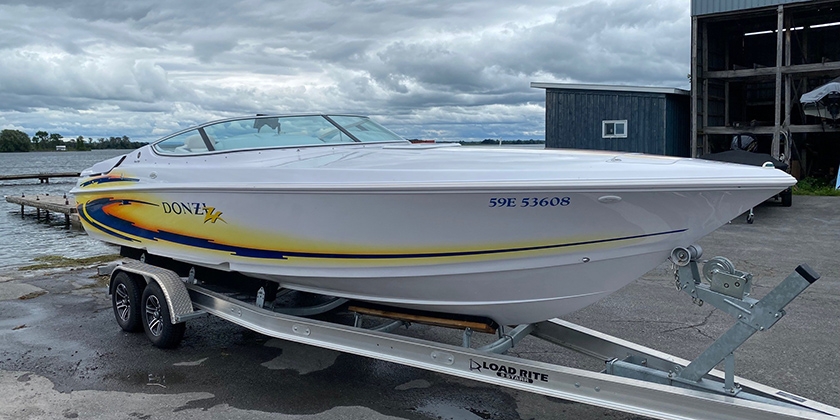
The issue runs deeper. Certification requires only a safety course and theory-based exam—unlike driver’s licensing, which mandates passing both a written and a practical test—there is no practical test, and it never expires.
Training materials also give limited attention to key topics such as vessel manoeuvrability and operating in congested waterways, leaving many boaters to rely heavily on personal experience. Skills can decline without regular updating, and personal experience, while valuable, is not all-encompassing. Current certification methods may be adequate for quiet lakes and sheltered waters, but not for high-traffic environments where risks are significantly higher.
Recognizing this, the TSB has recommended that Transport Canada (TC) modify the Pleasure Craft Operator Competency Program to ensure operators acquire and maintain a sufficient level of knowledge to respond safely to the conditions in which they operate (M26-01). This recommendation serves as a reminder that safe boating depends on the skills and knowledge that we possess now, not what we learned years ago.
While TC and training providers play an important role, safety is a shared responsibility. Boaters themselves can take proactive steps by pursuing advanced navigation or radar training, refreshing their knowledge, or boating with more experienced operators in challenging conditions.
Recreational boating is one of Canada’s great summer traditions. Ensuring that boaters are prepared to navigate safely benefits everyone who shares our waterways.
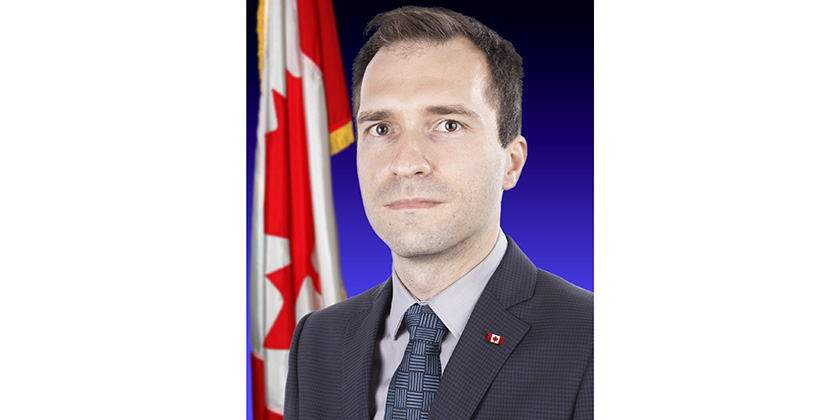
Yoan Marier is Chair of the Transportation Safety Board of Canada, an independent agency mandated to advance transportation safety by conducting investigations into air, marine, pipeline, and rail transportation occurrences, identifying safety deficiencies, and making recommendations to reduce risks. He brings many years of experience in federally regulated transportation and regulatory compliance.