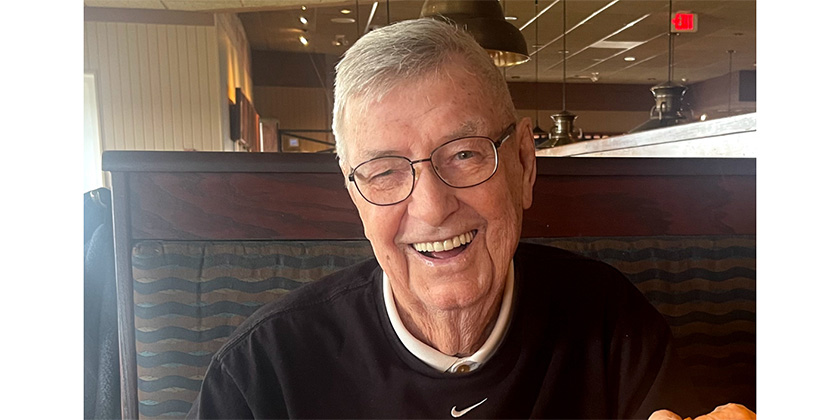
William J. Morgan, Former Owner of the Hacker Boat Company Died Feb. 21
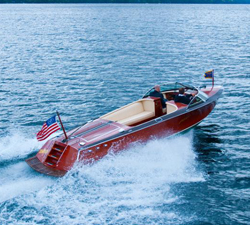 William (Bill) Morgan resurrected the venerable Hacker Boat Company name and began building a selection of models that were originally designed by John Ludwig Hacker, one of the great pioneers of the power boat in the early 1900s. Hacker's designs were fast, seaworthy and many were magnificent in a way that has rarely been matched in the ensuing decades. They were boats that were deserving of continued attention and Bill Morgan gave them that. Morgan also was a benefactor to the Antique Boat Museum in Clayton, New York where boats from his personal collection are on display and one of his recent Hacker Triple Cockpit runabouts was donated to the Museum's livery and takes guests for speedboat rides on the St. Lawrence.
“We are saddened by the passing of Bill Morgan, a legend in the antique and classic boat fraternity,” George Badcock, president and CEO of Hacker Boat Co. Inc., and principal of Erin Investments, owner of the boat company, said in a statement.
“We at the Hacker Boat Company and Erin Investments would not have the honor today of building Hacker-Craft boats had years ago Bill not taken the risk of buying and resurrecting a defunct trademark,” Babcock added. “In that regard everyone at the Hacker Boat Company has a responsibility to keep the Hacker-Craft brand vibrant as a testament and memorial to Bill’s life work.”
John Hacker formed Hacker Boat in the early 20th century in Detroit, but the Great Depression crippled the business.
A Hacker business partner later took over the company, changing its name to the Albany Boat Co. The company tried to recover with some contracts with the Navy and by making affordable models.
Morgan, who operated Morgan Marine, located on Silver Bay on Lake George, bought his way into Hacker-Craft boats in 1959.