U.S. Coast Guard Proposes Removing Hundreds of Buoys from Northern Atlantic Coast
May 27, 2025
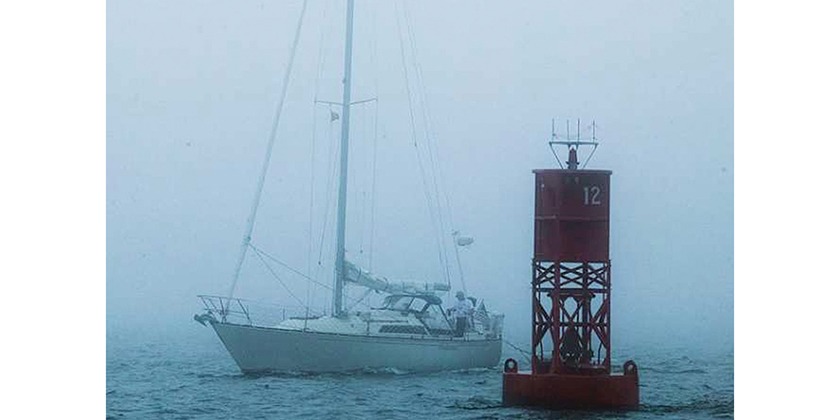
On April 15, the First Coast Guard District released an initiative proposing the removal of hundreds of navigational buoys, or Aids to Navigation (AtoNs). Buoys currently under review are located along the Northern Atlantic Coast between the New York City metro area and the Maine-Canada border. Boat Owners Association of The United States (BoatUS) is concerned that some of the buoys selected to be removed could negatively affect navigation safety and urges recreational boaters to speak up on the issue.
The Coast Guard states that the purpose of these proposed removals is “modernizing and rightsizing the buoy constellation,” given that most current AtoNs predate GPS and electronic charting technologies. The Coast Guard proposes that many of these buoys are no longer necessary and that fewer buoys to maintain will help reduce costs and divert maintenance efforts to the most critical buoys.
Some of the buoys proposed for removal are part of long, straight entrance channels – such as the commercial channels into New York Harbor – where removals would only increase the size of the gaps between existing buoys. Other proposed removals, however, include buoys in notoriously rocky and challenging bays and harbors, such as Pensobscot Bay in Maine and Woods Hole in Massachusetts.
Buoys subject to the proposed changes can be found by going to the Local Notice to Mariners interactive tool on the NAVCEN website, clicking the “layers” icon in the upper right corner of the map, and selecting the “Proposed Notice of Change” layer. Zoom in and click an individual buoy to see an information box with more details of the proposed change.
The Coast Guard is seeking public comment through June 13,, 2025. “Because local AtoNs are primarily the concern of local boaters, it’s important they have their voice heard,” said BoatUS Manager of Government Affairs David Kennedy. “The Coast Guard is actively soliciting this local knowledge and requests that all comments include the size and type of vessel, how a particular buoy is used, and when you start looking for it in order to best process feedback.”
Comments may be submitted via email: D01-SMB-DPWPublicComments@uscg.mil.