Choosing the Right PFD or Lifejacket
September 22, 2026
By John Gullick
Much of Canada’s boating season carries on well into the fall and starts again in early spring, but water temperatures in the off-season can be dangerous and there will be fewer other boaters out on the water to assist if you get into trouble. This makes having the right lifejacket or PFD doubly important.
PFDs and Lifejackets
In Canada there is a distinct difference between the two:
| Lifejackets | PFDs |
| Minimum of 30 lbs of flotation required to roll a person face up | Minimum of 15 lbs of flotation required to roll a person face up |
| Must be Red, Yellow or Orange only | Can be any colour |
| Reflective strips are required | Reflective strips are not required |
| Must be Canadian Coast Guard or transport Canada approved | |
| Canada Approved | Canada Approved |
NOTE: There are now some new PFDs that are approved for use in both Canada and the U. S. This is clearly marked on the PFD’s label.
Choosing the right PFD (Personal Flotation Device)
Much if the information in this section is taken from an article written by Steve Wagner, CEO of Salus Marine Wear
Finding the right PFD can seem more daunting than it really is. Designs have become increasingly complex and specialized. The study of body movement and advanced material technology, combined with increased consumer demand for quality and choice, have allowed and inspired PFD manufacturers to design and develop superior products. The result is that there is more choice than ever before. The challenge is to make the best choice possible.
Choosing a good PFD extends beyond finding one that fits and floats. Not all vests work for all people and no one vest works well for all activities. In choosing the PFD that is RIGHT for YOU some research is required first.
What’s your sport?
First, you need to consider how much time you’ll spend in the water versus on it.
Paddle Sports
For sports that involve frequent visits to the water, such as white-water kayaking, you will want a vest with lots of adjustments to create a secure fit that will eliminate in-water ride-up. A secure fit can also be achieved with leg harnesses or straps high under the arms, but arm straps are uncomfortable when paddling and leg harnesses are simply not “cool”.
For sports that involve less frequent visits to the water, such as canoeing or sea kayaking, there are more options. Looser fitting PFDs are more acceptable for these sports and can be more comfortable. Larger armholes provide minimal interference with your paddle stroke, but in the event of going over, the looser fit may result in some in-water ride-up. Another feature of the looser fit is venting, which keeps the paddler cool and comfortable. If you’re not going to be getting wet doing Eskimo rolls, venting of some kind is required to stay comfortable during long, hot paddling trips. These PFDs also tend to be a little easier on the pocketbook.
High Speed Sports
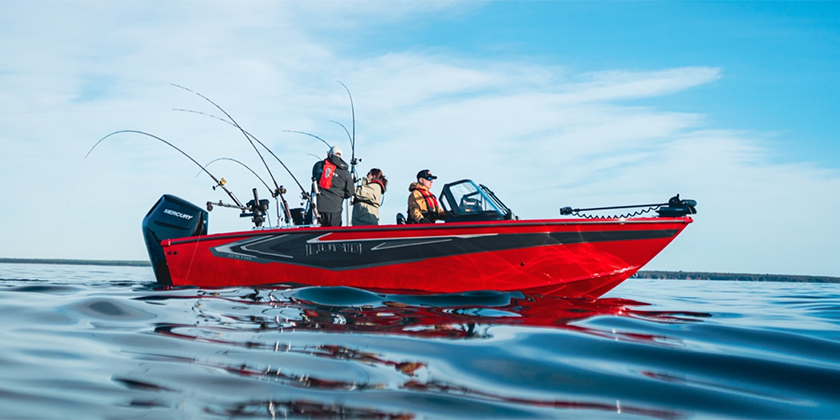
Towing activities like wake boarding, tubing and water skiing, Personal Water Craft (PWCs), high speed fishing boats and performance boats.
All of the above can result in the possibility of high-speed impacts, so a strong secure PFD is required, one with tough zippers and multiple straps with snap buckles. These types of PFDs can help withstand impact with a steering wheel or handle bar. They can also help withstand falls when a person is being towed. Water can be very hard when you are traveling at over 50 km/hr.
Angling and Hunting
Special PFDs have been designed for anglers and hunters. They are light weight, comfortable and come in colours that include camouflage. They can also have many pockets and patches to hold lures and other angling/hunting accessories.
In short it is very important to choose the right PFD for your water activities. If you are involved in many different types of water activity, then you may require more than one type of PFD.
Fitting your Vest
Having chosen the right type of PFD you need to make sure the vest fits. This may require a bit of effort.
When you try on a pair of shoes in the store, you add a pair of socks, lace up the shoes, stand, walk around, and maybe even jump and move in funny motions to simulate your activity or sport. Trying on a PFD is no different. Wearing a comfortable PFD, like wearing a comfortable pair of shoes, can make your sport more enjoyable. A well-fitting PFD is barely noticeable and allows you to move freely and comfortably.
Start by considering chest size as written on the inside of the PFD but use this only as a guide. Keep in mind that different genders and body shapes will also influence fit. Second, consider the time of year that you will be traveling and the clothes and gear underneath your PFD. Heavier clothing, dry tops or foul-weather gear will often mean that you need to move up at least one PFD size. The better PFDs, with multiple adjustments, will allow you to adjust the fit to accommodate different types of clothing.
Sure, the PFD is comfortable standing in the store, but this is clearly not how you’ll be wearing it while on the water. Once you have a PFD that fits you, consider how you will be positioned and how you are going to move in your vest. Sit in your boat of preference. Check the out-of-water ride-up. Does the PFD fit well with your dry top? Is it still comfortable? If you paddle, practice your paddle stroke. Better yet, get out on the water and try it out in the real environment.
If you still like the PFD, consider other details that may affect fit or convenience. Pockets are great but consider something stuffed into this pocket. Is it now in your way? Is the pocket large enough for what you want to carry?
The options can seem limitless. In spite of this, finding the right PFD does not need to be complicated, but you do need to consider more than just colour, size, and price. With a solid understanding of features and benefits and the help of a good local supplier, you can find the best PFD for you – a PFD that, like a good shoe, feels like it was made just for you.
All SALUS Marine Wear products are Transport Canada approved and available to CanBoat members at 20% off the full retail price in the current year’s catalogue. Not a CanBoat MEMBER? JOIN TODAY.
John Gullick is currently CanBoat’s Manager of Government and Special Programs and has been an active recreational marine specialist and writer for over 50 years.
Sign up for the CanBoat newsletter and visit CanBoat.ca to learn more about us. All articles are free for use to promote boating and water safety. Credit must be provided to CanBoat / NautiSavoir and author John Gullick.