Do’s and Don’ts for Spring and Fall Boating
October 13, 2026
By John Gullick
Boating in the fall in Canada can be a truly breathtaking experience, with stunning foliage and quieter waterways. However, this season also brings unique challenges and considerations. Here’s a comprehensive list of do’s and don’ts to ensure a safe and enjoyable fall boating experience in Canada.
And don’t forget to visit our full range of complimentary resources as well as our portfolio of online and in person courses with CanBoat, powered by the Power & Sail Squadrons, visit www.canboat.ca
Do’s
Check the Weather Forecast Regularly
- Stay Informed: Fall weather can be unpredictable, with sudden changes in temperature, wind, and precipitation.
- Monitor Conditions: Use reliable weather apps and marine forecasts before and during your trip to stay updated.
Dress Appropriately
- Layer Up: Wear multiple layers to adapt to changing temperatures throughout the day.
- Waterproof and Windproof Gear: Invest in quality jackets, pants, and gloves to protect against cold and wet conditions.
- Wear a Life Jacket: Always wear a properly fitted life jacket or personal flotation device (PFD).
Prepare Your Boat Thoroughly
- Conduct Maintenance Checks: Inspect your boat’s engine, electrical systems, and hull for any issues before heading out.
- Equip with Safety Gear: Ensure you have all necessary safety equipment, including flares, fire extinguishers, first-aid kits, and navigation lights and that everything is in good working order..
- Fuel Up: Make sure you have enough fuel for your trip, accounting for unexpected delays or detours. FUEL 1/3rd out, 1/3rd back and 1/3rd in reserve.
Plan Your Trip Carefully
- File a Float Plan: Inform someone you trust about your itinerary, including departure and return times, and your planned route.
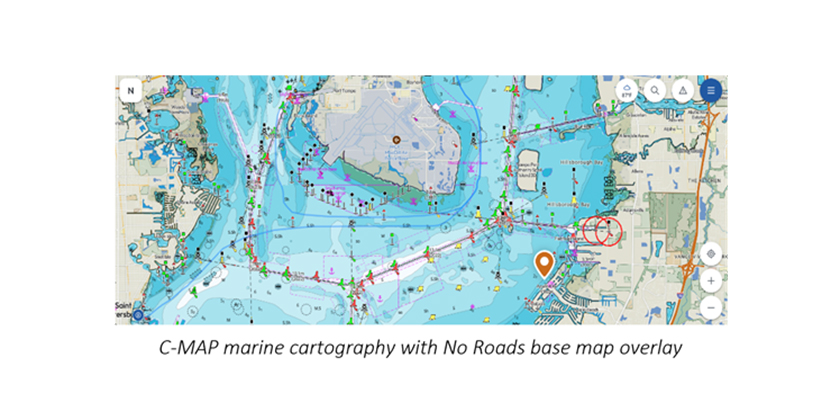
- Know Your Route: Familiarize yourself with the waterway, including any hazards, shallow areas, or restricted zones.
- Account for Shorter Daylight Hours: Plan your activities to ensure you have ample daylight and carry reliable lighting for navigation in low-light conditions.
Stay Aware of Water Temperatures
- Recognize Hypothermia Risks: Cold water increases the risk of hypothermia. Dress appropriately and minimize exposure.
- Use Caution When Entering the Water: If swimming or engaging in water sports, use wetsuits or drysuits designed for cold water.
Maintain Communication
- Carry Communication Devices: Have a fully charged mobile phone, VHF radio, or satellite communicator on board.
- Know Emergency Procedures: Be prepared to contact local authorities or rescue services if needed.
Stay Sober and Alert
- Avoid Alcohol and Drugs: Impairment can significantly increase the risk of accidents, especially in challenging conditions.
- Stay Focused: Keep a vigilant lookout for other vessels, obstacles, and changing weather conditions.
Respect Wildlife and Environment
- Observe from a Distance: Enjoy fall wildlife sightings responsibly without disturbing animals or their habitats.
- Leave No Trace: Properly dispose of trash and avoid polluting waterways.
Carbon Monoxide Detector. Carbon Monoxide can be a real silent killer. It is colourless, odourless and tasteless and is a by product of gasoline and diesel engines. I you are at anchor, have an engine or generator running to provide power or charge the batteries and there is a slight breeze coming over the stern there is a real risk of carbon monoxide being blown into the cockpit and down into the cabin. I strongly recommend the installation of a carbon monoxide detector located near the helm or at the entrance to the cabin.
Don’ts
Don’t Underestimate Weather Changes
- Avoid Ignoring Warning Signs: If the weather starts to deteriorate, head back to shore promptly.
- Don’t Rely Solely on Forecasts: Conditions can change rapidly; always be prepared for unexpected weather.
Don’t Neglect Safety Precautions
- Don’t Skip Life Jackets: Even strong swimmers should wear PFDs at all times.
- Don’t Overload Your Boat: Exceeding weight limits can compromise stability and safety.
Don’t Boat Alone if Possible
- Bring a Companion: Having another person can be invaluable in case of emergencies.
- Inform Others of Solo Trips: If you must go alone, ensure someone knows your detailed plans.
Don’t Ignore Boat Maintenance
- Don’t Overlook Small Issues: Minor problems can escalate quickly in cold and rough conditions.
- Don’t Forget Spare Parts and Tools: Carry essential repair items to handle minor fixes on the water.
Don’t Navigate Unfamiliar Waters Unprepared
- Avoid Uncharted Areas: Stick to known routes unless you have proper charts and knowledge.
- Don’t Ignore Navigation Aids: Pay attention to buoys, markers, and signs to avoid hazards.
Don’t Disturb the Ecosystem
- Avoid Polluting: Don’t throw garbage or pollutants into the water.
- Respect Closed Areas: Stay out of protected or restricted zones designated for wildlife preservation.
Don’t Operate Under Influence
- No Alcohol or Drugs: Operating a boat while impaired is illegal and extremely dangerous.
Boating in the fall offers unique and beautiful experiences on Canada’s waterways. Always prioritize safety, stay prepared for changing conditions, and respect the natural environment to make the most of your fall boating adventures.
Happy and safe boating!
John Gullick is currently CanBoat’s Manager of Government and Special Programs and has been an active recreational marine specialist and writer for over 50 years. Sign up for the CanBoat newsletter and visit CanBoat.ca to learn more about us.
All articles are free for use to promote boating and water safety. Credit must be provided to CanBoat / NautiSavoir and author John Gullick.