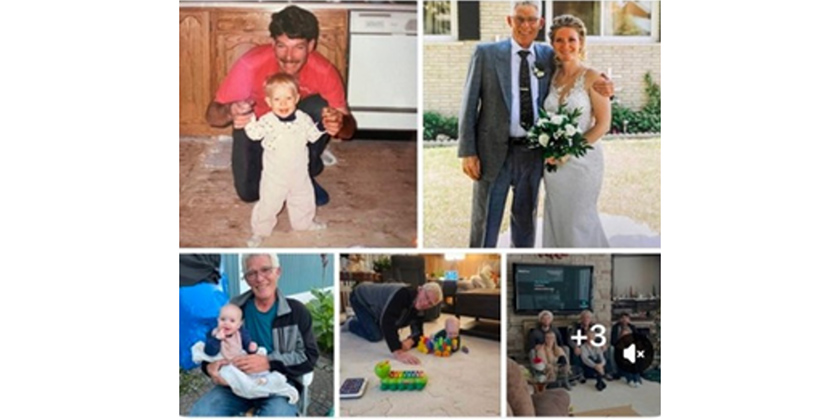
Ben Vermeulen, Luxury Yacht Builder
Jan 28, 2025
1934-2024
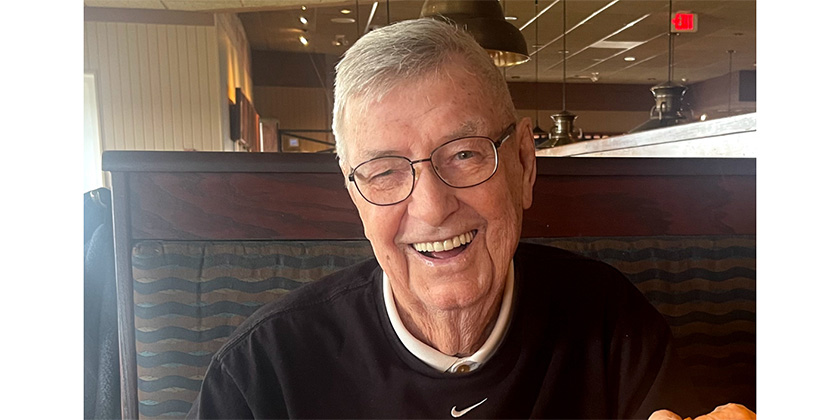
In 1959, age 25, with $52 in his pocket, Ben Vermeulen arrived in Vancouver from the Netherlands, and through his ability to work with his hands, problem solve and design complicated machinery both in his head and in actuality, became Canada’s largest luxury yacht builder.
The second of 12 children, Ben was born in 1934 six years before the Nazis invaded his homeland. The five years of brutal occupation taught him ingenious ways of scrounging food for the growing family, while giving him the chance to play hooky from school. Ben had dyslexia before that disability was recognized and school was a trial for him. When he quit at 14, he found his niche by enrolling in successive apprenticeships: silversmithing, welding, and tool and die making. He excelled at them. When he began teaching tool and die making, his reading improved and he gained confidence. By age 22, he’d become his own boss welding wrought iron items, repairing weigh scales and fabricating metal crosses for a religious retailer.
One day, a friend who’d emigrated to Canada persuaded Ben that he’d have great opportunities there. Ben decided to try it and emigrated, settling in Vancouver. He advanced through ever better paying jobs although he was once fired for being too meticulous. After accumulating some savings, he took a three-week furlough from his job to find a wife in the Netherlands. It took five months to woo Aleida (Leidy), a design student, to come to Vancouver, marry him and begin their 63-year union.
After working for a steel manufacturing company, Ben and a friend formed their own metal fabrication firm with Leidy ordering parts and managing the finances, while also raising sons Wes and Bas. Daughter Rochelle joined the family in 1973. The Vermeulens were introduced to boating by friends. Eventually, due to his business partner’s erratic life, Ben became the sole owner and fabricated BC Hydro substations and other steel structures for government and private agencies.
The 15 percent payment holdback governments and industry practiced until a project was completed seriously impeded cash flow and deeply frustrated Ben. When he bought property on the Fraser River in Delta, he learned that boatbuilding is a “pay-as-you-go” proposition—no holdbacks—so he boldly hung out his shingle, West Bay Boat Building. He learned on the job, found knowledgeable tradesmen to help and the first boat, an Ed Monk Sr. 42-foot wooden trawler design, slipped into the water in 1969.
It was only the beginning. Patrol boats, crew boats, barges and tugs followed. And then more yachts ranging from 45-120 feet, with the West Bay 58 mini-megayacht becoming their most popular model (99 copies) leading to the BC Entrepreneur of the Year Award in 2003. The company thrived most of the time, building nearly 250 boats and when oil crises, currency fluctuations and high interest rates reduced vessel orders, they fabricated gold dredges and did boat repairs.
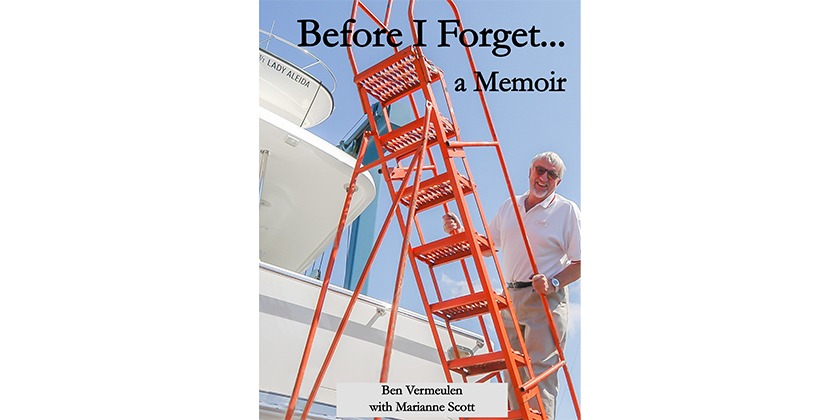
In his later years, Ben had a conversion to evangelical Christianity which became a source for inspiration and joy for him. He still visited West Bay where Wes, Bas, son-in-law Danny, and other family members along with their skilled crew continue to run the repair and refit enterprise. A decade ago Ben published his memoir, Before I Forget, a legacy for his extended family about immigrant grit, hard work and stories about boatbuilding, co-written with me.
Ben was a remarkable man who overcame a learning disability and developed an outstanding boat company. When he died on November 16, 2024, he was with Leidy, his children and their spouses, grandchildren, and three brothers who’d followed him to Canada.
A life well lived.
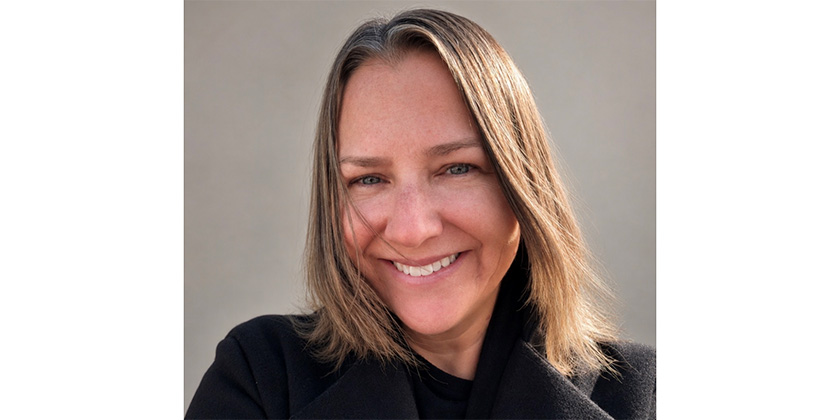
By Marianne Scott