Sunscreen’s Impact on Marine Life Needs Urgent Investigation, Study Finds
Mar 25, 2025
Reprinted with the kind permission of Marine Industry News UK
https://marineindustrynews.co.uk
Tuesday, March 18th, 2025
Written by: Chantal Haines
A UK research study has outlined significant gaps in the understanding of how sunscreen may affect marine ecosystems.
The UV filters in sunscreen can enter the marine environment directly through swimming or other water-based recreational activities but also indirectly — for example, by washing towels that have been used to dry sunscreen-coated skin, washing off residue during showering, and even in urine.
With global sunscreen sales projected to reach $13.64 billion by 2026 and an estimated 6,000-14,000 tonnes of UV filters released annually into coral reef zones alone, researchers emphasise the urgent need for more comprehensive studies on their environmental impact.
At least 25 per cent of sunscreen products wash off during sea bathing, and a single beach with 1,000 visitors can be subject to more than 35kg of sunscreen deposits per day.
The new study, published in the journal Marine Pollution Bulletin, was based on a review of more than 110 publications linked to sunscreen, UV filters and their ecotoxicological or environmental impact.
Lead author Anneliese Hodge, PhD researcher at Plymouth Marine Laboratory and the University of Plymouth, says: “This review indicates that current research has only scratched the surface of understanding how these chemicals can affect marine life. What’s particularly concerning is that these compounds are considered ‘pseudo-persistent pollutants’ due to their continuous introduction into marine environments as well as an overall lack of understanding of how these chemicals then interact with others in the sea.”
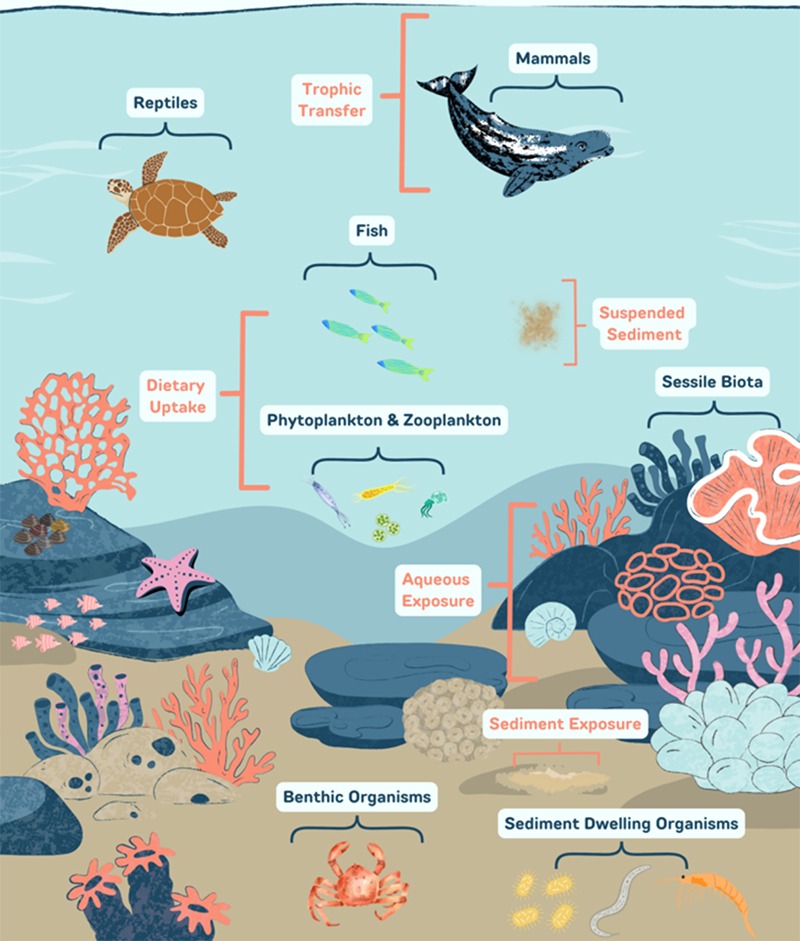
“That’s why it’s so important for us to be researching the effects of these compounds on marine life from all geographical regions – temperate and tropical, including the work we are conducting here at PML and the University of Plymouth on UK marine organisms. We really need to understand how these chemicals interact in the marine environment and if they have the potential to bioaccumulate within the food chain.”
UV filters are also added to personal care products (such as shampoos, moisturisers, lipsticks, shower gels) and various other commercial products, including plastics, rubber, paint and cement, to enhance light resistance and prevent photodegradation.
Co-author Dr Frances Hopkins, PhD supervisor and Marine Biogeochemist at Plymouth Marine Laboratory, says: “This review highlights the mindboggling range of sunscreen-derived chemicals that we know are released into coastal marine environments – and demonstrates that our understanding of the effects of these toxic compounds on marine organisms is surprisingly limited.
“Such environments face a range of human-induced stressors, from marine heatwaves and eutrophication to longer-term ocean warming and acidification, so it is vital we understand the additional impact of this pervasive chemical pollution on these already stressed ecosystems”.
Little research has been conducted on the specific ecotoxicological effects of these omnipresent compounds and the long-term effects associated with their dispersal in marine environments.
Co-author Dr Mahasweta Saha, PhD supervisor and marine chemical ecologist at Plymouth Marine Laboratory adds: “This work underscores the vast unknowns surrounding the impact of toxic chemicals on our already fragile marine environment.
“With marine ecosystems facing immense stress, we are essentially sitting on a ticking time bomb. It is crucial to exercise caution when introducing new substances, as they could exacerbate existing challenges. Thoughtful, science-driven decision-making is essential to prevent further harm.”
Reprinted with the kind permission of Marine Industry News UK