Attwood Pressure Relief Fuel Systems Receive EPA Certification
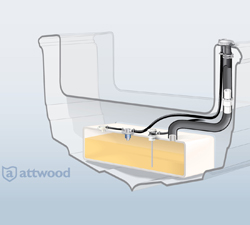 Attwood Marine has received an Environmental Protection Agency Certificate of Conformance (COC) for its pressure relief diurnal emission control system. Combined with its recently announced carbon canister system, Attwood now has two industry-leading EPA-certified solutions for its OEM partners to match the unique needs of each customer. The Attwood pressure relief diurnal and refueling control system has more than 15,000 hours of on-water use and testing and meets all EPA, American Boat and Yacht Club, U.S. Coast Guard, and proposed California Air Resources Board requirements.
Attwood’s pressure relief system incorporates features such as fuel demand valve technology to ensure pressurized fuel does not reach fuel distribution lines, overfill safety protection and automatic nozzle shut-off to provide the boat owner with a car-like refueling experience. The system is designed to maximize fuel flow, minimize restriction, and optimize engine performance.
Attwood has already implemented more than 175 EPA-certified systems with many more in process. Additional system details, including animations and part information, can be found on the attwoodmarine.com website. Boat builders interested in viewing the engineering and production details behind this key initiative are invited to contact their Attwood sales representative to schedule an Attwood facility visit.
Attwood Marine also encourages builders to file the necessary paperwork to take advantage of the EPA Diurnal Transition Program. Submitting the required documents allows OEMs time to bring their full complement of products up to EPA standards. A sample letter and directions regarding how to submit an EPA waiver can be found at attwoodmarine.com to ensure that proper steps to EPA compliance are being taken.